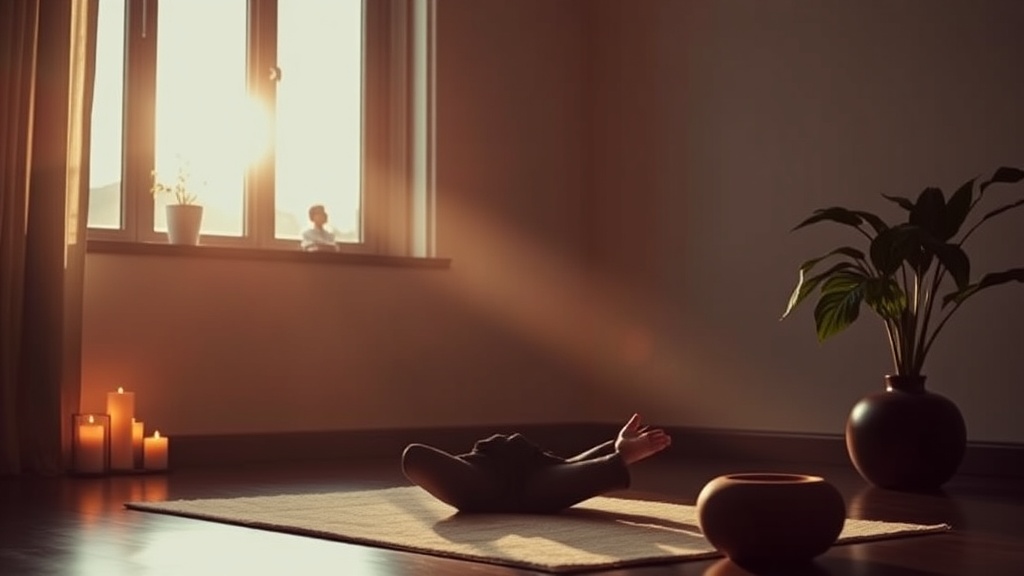
How to Start a 5-Minute Morning Meditation Practice

Starting a morning meditation practice doesn't require waking at dawn or sitting for an hour. This guide covers exactly how to build a sustainable 5-minute routine that sticks — from choosing the right technique to finding a quiet corner in a busy household. Whether sleep inertia hits hard or the thought of sitting still feels impossible, these steps will get anyone from groggy to grounded before the first coffee brews.
Why Meditate in the Morning Specifically?
The morning offers a unique window. The mind hasn't yet accumulated the day's clutter — emails unread, notifications silent, the mental load still parked from yesterday. Research from Harvard Medical School shows that even brief morning meditation can lower cortisol levels and improve focus throughout the workday.
That said, the benefits aren't just about stress reduction. Morning practice sets a baseline. When the first action of the day involves intentional breathing rather than reactive scrolling, everything that follows carries a different weight. Deadlines feel less catastrophic. Traffic becomes background noise. The 9:00 AM meeting? More manageable.
Here's the thing — consistency beats duration every time. Five minutes every morning outperforms a sporadic 30-minute session. The brain responds to rhythm, not heroic effort. Think of it like brushing teeth: nobody debates whether two minutes "counts." It just does.
What Do You Actually Need to Get Started?
Almost nothing. A quiet spot, a timer, and something to sit on. That's it.
Many beginners overcomplicate the setup — hunting for the perfect cushion, downloading seven apps, researching Himalayan singing bowls. Avoid this trap. The goal is to start today, not next month after the meditation supply order arrives.
The Basic Setup
Location: Any corner works. A chair, the edge of an unmade bed, a patch of floor near a window. Calgary mornings can be bright — use that natural light or close the blinds. Either way, pick somewhere the phone won't buzz.
Timing: Before checking email. Before coffee (though many Calgary practitioners at studios like Yoga Calgary admit to a quick cup first — that's fine). The key is establishing the habit before the day's demands hijack attention.
Posture: Spine straight, shoulders relaxed, hands resting on thighs or knees. No lotus position required. Sitting in a kitchen chair with feet flat on the floor works perfectly.
| Item | Budget Option | Upgrade Path |
|---|---|---|
| Seat | Dining chair or folded blanket | Cushi Meditation Cushion ($45) or any firm zafu |
| Timer | Phone alarm (airplane mode) | Insight Timer app (free) or a simple Zen alarm clock ($25) |
| Environment | Existing quiet corner | Calm Space by Yogasana mat ($80) — optional but nice |
| Guidance | Free YouTube videos (The Honest Guys, Michael Sealey) | Headspace subscription ($69.99/year) or Calm ($69.99/year) |
Which Meditation Technique Works Best for Beginners?
Breath-focused attention — it's simple, portable, and requires zero special knowledge.
Not all meditation styles suit the morning. Some techniques energize. Others relax deeply — great for evening, disastrous for someone who needs to drive to work afterward. For a 5-minute morning practice, stick with styles that cultivate alert calm rather than drowsy trance.
The 5-Minute Breath Method
- Set the timer. Five minutes exactly. Not "until I feel done." The constraint creates freedom — no wondering how long remains.
- Find the breath. Close the eyes. Feel air moving at the nostrils, or the rise and fall of the chest or belly. Pick one spot and stay there.
- Count cycles. Inhale, exhale — that's one. Count to ten, then start again. When thoughts intrude (they will), notice, return to one. No self-judgment. The noticing IS the practice.
- Finish gently. When the timer sounds, don't leap up. Open eyes slowly. Take three conscious breaths before standing.
That's the entire technique. No mantras. No visualization. Just breath and attention — which, honestly, is harder than it sounds. The mind wanders constantly. That's not failure; that's the exercise. Each return to the breath strengthens the attention muscle.
Alternative: Body Scan for the Fidgety
Some people find breath focus agitating. For them, a brief body scan works better. Starting at the toes, move attention slowly upward — feet, legs, hips, torso, shoulders, head. Notice sensations without changing them. Five minutes covers the whole body if moved briskly. Apps like Headspace offer excellent guided body scans, though many practitioners eventually prefer silent practice.
How Do You Make It Stick?
Attach the habit to an existing anchor — something already automatic.
Behavioral research from James Clear and others confirms: new habits graft onto old ones more successfully than standalone resolutions. "After I pour morning coffee, I sit for five minutes." "After I brush my teeth, I meditate." The existing action becomes the trigger.
Common Obstacles (And Honest Fixes)
"I don't have five minutes." Everyone has five minutes. The catch? It's usually spent checking Instagram or hitting snooze twice. Track actual morning time use for three days. The minutes appear.
"My mind won't stop racing." That's like saying "my muscles shake when I lift weights" — yes, that's the point. Racing thoughts are the resistance being trained. The goal isn't empty mind; it's noticing the racing without following every thread.
"I keep falling asleep." Sit in a hard chair instead of a bed. Open eyes slightly, gaze lowered. Or move the practice to right after a shower when the body is alert.
"I missed three days and feel like I failed." Worth noting — missing days is normal. The only true failure is abandoning the practice entirely. Resume tomorrow. No guilt required.
"The goal of meditation isn't to control your thoughts. It's to stop letting them control you."
What Results Should You Actually Expect?
Subtle changes over weeks, not dramatic transformations overnight.
The first week often feels frustrating. Boring, even. The mind rebels against stillness. That's the addiction to constant stimulation surfacing — entirely normal. Around week two or three, something shifts. The five minutes feel shorter. The return to breath becomes quicker. A subtle steadiness appears in daily interactions.
Measurable benefits documented in research include: reduced morning cortisol spikes, improved working memory, better emotional regulation during stressful tasks, and decreased reactivity to negative stimuli. None of these require hour-long retreats. Studies from UCLA's Mindful Awareness Research Center confirm that even brief daily practice changes brain structure over time — specifically in areas linked to attention and emotional control.
That said, don't meditate for outcomes. Paradoxically, chasing benefits creates tension that undermines the practice. Sit because five minutes of intentional presence is worthwhile in itself. Any side effects — calmer meetings, better sleep, less road rage — are bonuses, not obligations.
Calgary-Specific Resources for Continued Practice
Once the home habit feels solid, community practice deepens the commitment. In Calgary, The Bodhi Meditation Centre offers morning sits (donation-based), while Yogalife Studios in Marda Loop runs early classes combining movement and stillness. For totally free options, the Calgary Public Library hosts monthly introduction sessions at the Central Library location — no membership required, though registration opens early.
Books worth the shelf space: The Mind Illuminated by Culadasa (comprehensive but accessible) and Meditation for Fidgety Skeptics by Dan Harris (pragmatic, funny, zero woo). Both treat meditation as a skill to develop, not a mystical state to achieve.
Start tomorrow. Five minutes. Set the timer. Breathe. The rest — the calmer mornings, the clearer thinking, the sense that maybe the day won't bulldoze through after all — builds from there. Not through force. Through showing up, morning after morning, and beginning again.
Steps
- 1
Find a quiet, comfortable space and sit with your spine straight
- 2
Set a 5-minute timer and close your eyes, focusing on your breath
- 3
Gently return your attention to breathing when your mind wanders