
How to Build a Sustainable Meditation Practice That Actually Sticks

Meditation isn’t hard. Sticking with it is. That’s the uncomfortable truth most guides soften. You don’t need more apps, incense, or a perfect morning routine—you need a practice that survives real life: bad sleep, busy schedules, restless thoughts, and inconsistent motivation.
This guide is built for that reality. Not the ideal version of you—the actual one.

Why Most Meditation Habits Fail
People quit meditation for predictable reasons. They expect calm and get noise. They expect clarity and get boredom. They expect transformation in a week.
Meditation doesn’t reward intensity. It rewards consistency. And consistency only happens when the practice feels doable, even on your worst days.
If your approach relies on motivation, you’ve already set yourself up to stop.
Step 1: Lower the Bar (More Than You Think)
Start with a duration that feels almost pointless. One minute. Two minutes. That’s enough.
This isn’t about building discipline—it’s about removing resistance. When your brain knows the session is short, it stops negotiating.
- 1–3 minutes daily for the first week
- No expectations about "how it should feel"
- Completion matters more than quality
You’re not training focus yet. You’re training showing up.

Step 2: Anchor It to Something You Already Do
Habits stick when they attach to existing routines. Don’t create a new time—borrow one.
Examples that work:
- Right after brushing your teeth
- Before your first sip of coffee
- After shutting your laptop at the end of the day
This removes decision fatigue. You don’t ask “when should I meditate?”—you just follow the chain.
Step 3: Use a Simple, Repeatable Technique
Complicated methods create friction. Start with breath awareness:
- Notice your inhale
- Notice your exhale
- When your mind wanders (it will), gently return
No counting. No forcing. No chasing calm.
The skill is returning, not staying focused.

Step 4: Expect Resistance—and Normalize It
Some days meditation feels like clarity. Most days it feels like sitting with noise.
That’s not failure. That is the practice.
Common thoughts:
- “This isn’t working”
- “I’m bad at this”
- “I should be doing something else”
Notice them the same way you notice your breath. No need to fix anything.
Step 5: Track Consistency, Not Performance
If you measure how "good" each session feels, you’ll quit. If you measure whether you showed up, you’ll continue.
Use a simple system:
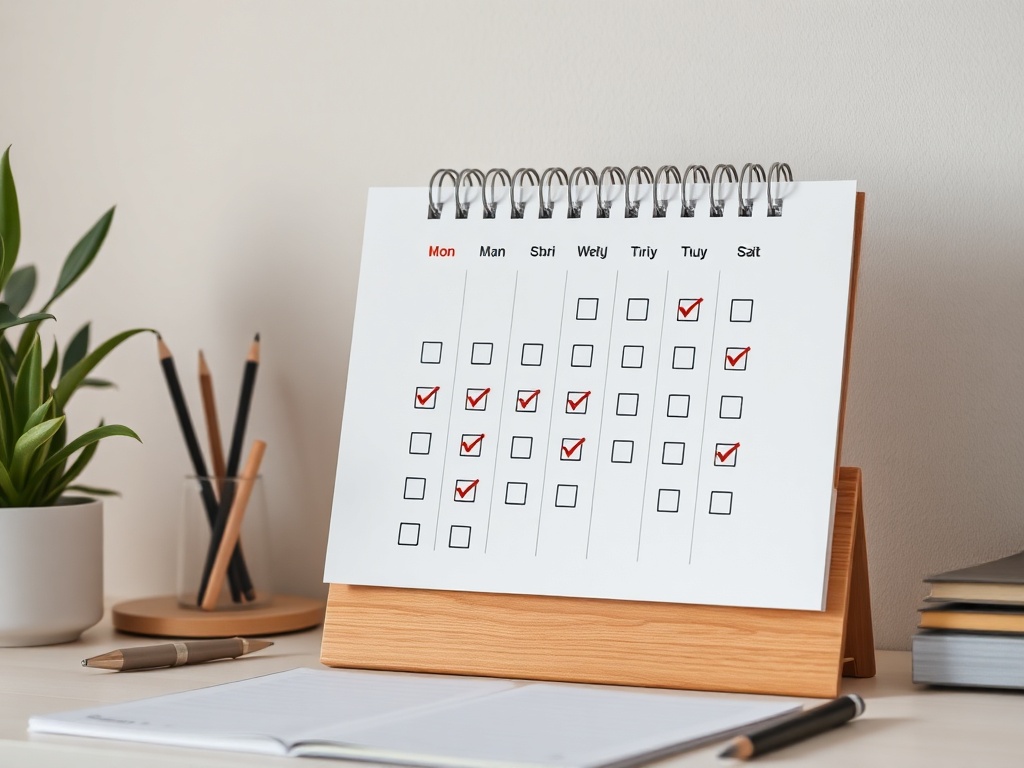
- Checkmark on a calendar
- Habit tracker app
- Notebook tally
The goal: don’t break the chain. Even a 60-second session counts.
Step 6: Expand Slowly—Only When It Feels Easy
Once your short practice feels automatic, extend it slightly.
- From 2 minutes to 5
- From 5 to 8
- From 8 to 10
Never double your time overnight. Growth should feel almost boring.
If you start skipping sessions, you expanded too fast. Scale back.
Step 7: Build a “Fallback Version”
This is where most people fail—they don’t plan for bad days.
Your fallback version should be ridiculously easy:
- 1 minute of breathing
- Eyes open if needed
- Done anywhere
This protects your identity as someone who meditates—even when life is messy.

Step 8: Remove the Idea of “Perfect Meditation”
There is no perfect session. Some are calm. Some are chaotic. Both are valid.
If you’re waiting for the “right mood,” you’ll practice less.
Meditation isn’t about controlling your mind—it’s about seeing it clearly.
Step 9: Let the Benefits Sneak Up on You
The biggest mistake is looking for immediate results. Meditation works subtly.
You’ll notice it indirectly:
- You pause before reacting
- You recover faster from stress
- You feel less pulled by every thought
These changes don’t happen during meditation—they show up in the rest of your life.

Step 10: Redefine Success
Success isn’t a peaceful mind. It’s a consistent practice.
If you sat down and noticed anything—your breath, your thoughts, your restlessness—you did it right.
That’s the entire game.
Putting It All Together
A sustainable meditation practice is built on simplicity:
- Start small enough to succeed daily
- Attach it to an existing habit
- Use a basic technique
- Expect imperfection
- Track consistency
- Expand slowly
- Always have a fallback
You don’t need to feel different after each session. You need to keep going.
That’s what makes it stick.
And once it sticks, everything else changes quietly.